




Somerset’s First White Ball victory
White ball cricket has become a global phenomenon.
White balls are used and coloured kits are worn by players in packed stadiums all over the world.
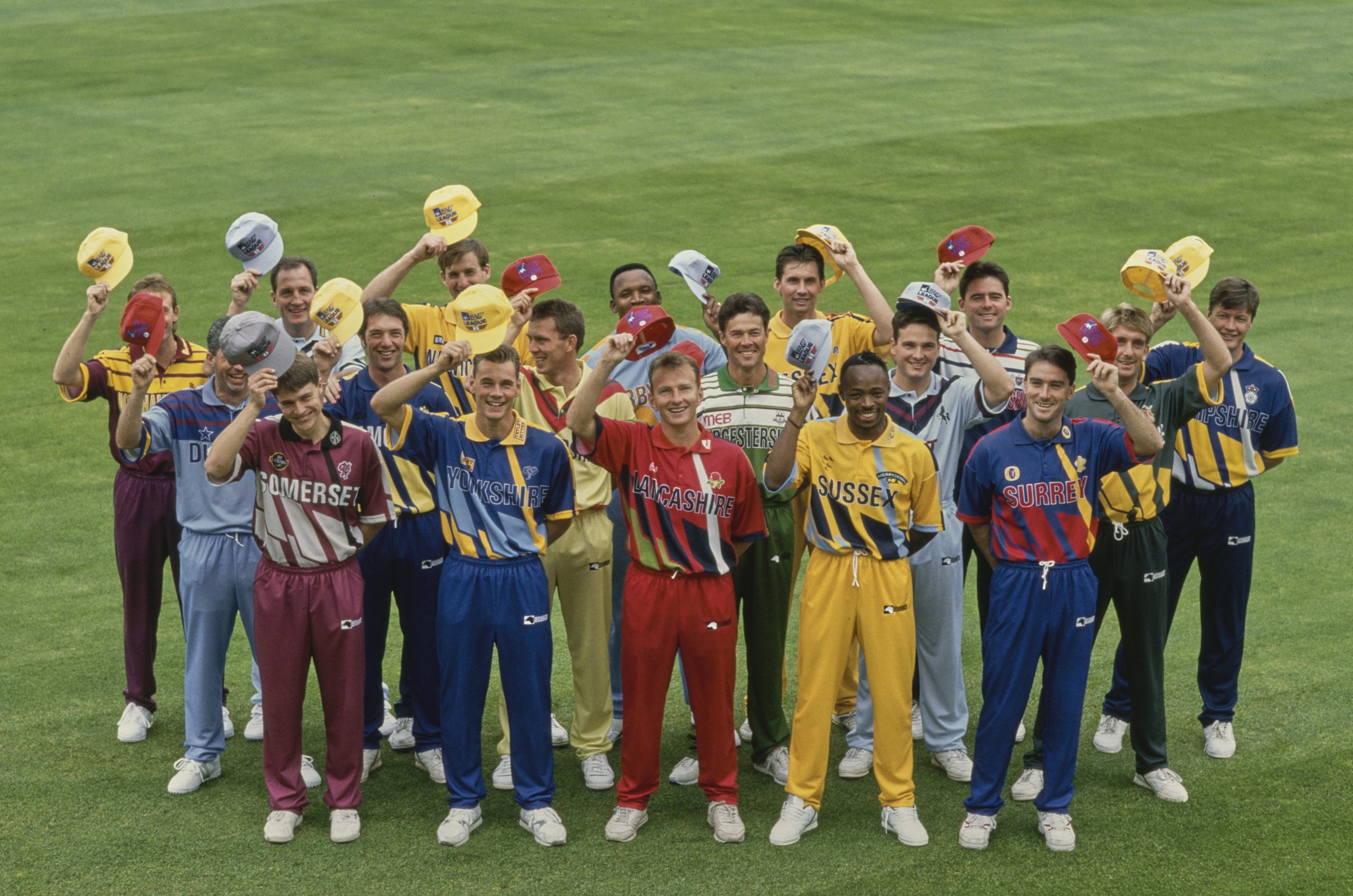
These innovations had been seen since the 1970s but it wasn’t until the early 1990s that they were introduced at a domestic level in England.
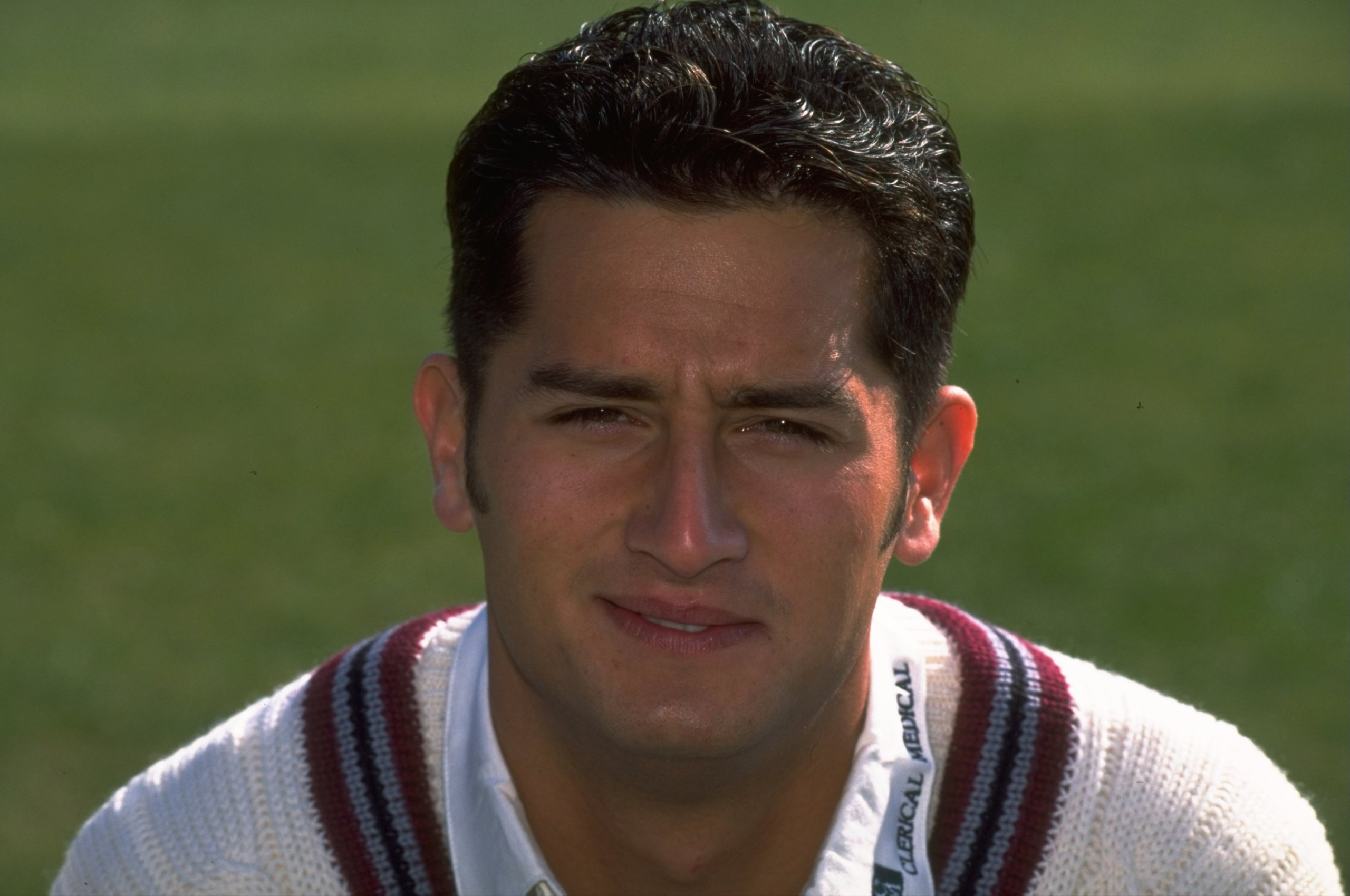
1993 saw the introduction of the AXA Equity & Law League and Somerset’s current Head Coach, Jason Kerr made his List A debut in the opening fixture of the tournament, a rain interrupted draw against Lancashire. This was followed by a defeat at Worcestershire and an abandoned game against Glamorgan.
Somerset had to wait until matchday four to secure a victory, and it came in the form of a 22-run win at Essex. It was a match in which Jason was the pick of the Somerset attack, claiming three for 34.
We caught up with Jason to discuss his memories of Somerset’s first ever white ball campaign.
“My recollection is that there was a huge amount of excitement at the time,” he said. “Up to that point all domestic cricket was played with a red ball and in whites and was very traditional. To have such a big chance within the game was exciting. The changes created an energy around the game at the time.
“It didn’t feel like a gimmick to me, but I was quite young and my experiences within the game were quite limited. I’m not sure what the senior players thought of it. The white balls did quite a lot back then so as a bowler you always felt like you were in the game. The ball felt different on the bat and responded differently off the bat. That in itself created excitement. As I said, it didn’t feel gimmicky, it felt like what it was; a way to make the product more interesting for the audience.”
What was it like being a young player making his way in the game during such a time of change?
“It was very different to how it is now; that’s for sure. They were all really good people, but it was a much harsher environment. Senior players back then would often feel threatened by younger players coming into the squad and you had to earn your place in the dressing room. You had to show that you belonged from a performance point of view to get that sense of belonging and respect within the group.”
Did the introduction of white balls and coloured kits bring with it a difference audience?
“I think it was starting to transition. Whenever you make a change, there are arguments for and against. There would have been people who wanted the game to continue being played in whites with a red ball, so we may have lost some of them at the time, but the game certainly gained a new following very quickly.
“We’ve always been incredibly fortunate here with the support that we get but the support was certainly different for white ball cricket than it was for the red ball game. From a player’s point of view, you want to feed off the energy of the crowd, and we’ve got a permanent 12th man here at Taunton in all formats and there have always been players who will be spurred on by the atmosphere that a boisterous crowd can generate.”
What did the players think of the new kits?
“We certainly didn’t have any say in what the kit looked like back then. They were uniformed in the sense that all the teams had the same kit design, just in different colours. I loved it! I never got Chris Tavare’s thoughts on it back then but given how meticulous he was with his preparation I’m not sure how much he appreciated playing in coloured clothing. I remember there being a huge amount of excitement when the kit turned up. It arrived in a huge box, and it all had the player’s names on the back which was really exciting at the time.”
What does he remember about Somerset’s first ever white ball game?
“I made my debut in the first ever white ball game for the Club against Lancashire, and we got about 40 overs in before it rained. I do remember that it was a bit of a fruity wicket which was nice to bowl on. I was just really excited because I was starting to make my way into professional cricket. Unfortunately, the weather ruined the first few matches for pretty much every team.”
What are his recollections of the Club’s first white ball win?
“When I came into the team, the Club was going through a bit of a transition, and we were having a bit of a tough time. By contrast, Essex were one of the powerhouses of domestic cricket at the time and there were certainly some household names playing for them that day.
“I remember that John Stephenson opened the batting, and I remember getting Nasser Hussain out. To get him out was certainly a special moment. He tried to play a really aggressive brand of cricket that day, which is probably how I got him out; he gave me a chance by playing that way! I also remember that Derek Pringle played and that was quite a surreal experience because I’d been watching him play on tv for years! The most vivid part for me was the Essex kit. It was very very yellow.
“It’s interesting to look back on that scorecard now. Nick Knight was just making his way in the game and was batting in the middle order, and Mark Illott was a player that I’d watched because I was a proper cricket badger and was very aware of the majority of players who I was playing against.”
What was it like being a player during such a change?
“I had a good start to my career in both red and white ball cricket. At the end of 1993 I was really pleased with where I was as a cricketer. I was excited by what the future might hold, and I was progressing pretty well. It’s nice to look back and be reminded of that time and of how well I started.”
Back in 1993, did anyone have any idea how big white ball cricket would become?
“I don’t think anyone foresaw what was coming. There were lots of discussions about the structure of the game at the time and the game was evolving and changing. I think we were aware of that as players, but I certainly don’t think anyone could have predicted that white ball cricket would become what it is now.”


